

Is your pitcher plant dying? While brown and crispy leaves are a regular part of your plant’s life cycle (to some degree), they can also be a sign of a larger problem.
Whether your Nepenthes pitcher plant (monkey cups) is turning brown or your Sarracenia (trumpet pitcher) is dying back, I’ve listed some possible causes and solutions below.
12 Reasons Your Pitcher Plant Is Dying (and How to Help It)
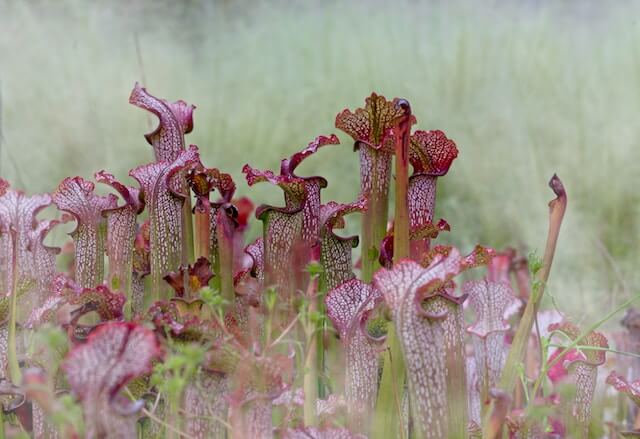
Is your pitcher plant turning brown or wilting? Seeing your pitcher plant in distress can be sad and frustrating. However, your plant could be dying for several reasons, and understanding the possible causes can help you nurse it back to health.
It’s also helpful to know what kind of pitcher plant you have to help you understand its care requirements.
For example, Nepenthes’ natural habitat is tropical and warm. These pitcher plants are from Australia, Madagascar, and the South Pacific Islands and do not like to be kept in standing water.
Conversely, Sarracenia grows in wetland areas in the eastern United States and Canada and does like standing water. This plant also goes through a dormancy period, like Venus flytraps.
Note: Brown pitchers don’t always mean something’s wrong. If your plant has caught a lot of bugs recently, the top portion of the trap may start to turn brown. Like a Venus fly trap will often turn black after digesting a bug, your pitcher plant may turn brown and die back. Know that this is perfectly normal and part of the process.
If your brown and crisp pitcher plant has you worried, take a look at some of the possible causes and solutions below:

1. Lack of Humidity
Problem: Pitcher plants, particularly tropical species like Nepenthes, thrive in high humidity environments. A lack of humidity can cause dry or brown pitchers, so if you’re currently seeing this issue, there’s an easy fix.
Solution: Increase the humidity level around your plant by placing a tray of water near it or using a humidifier. Another option is to create a mini greenhouse around your plant using plastic bags to retain moisture.
2. Insufficient Light
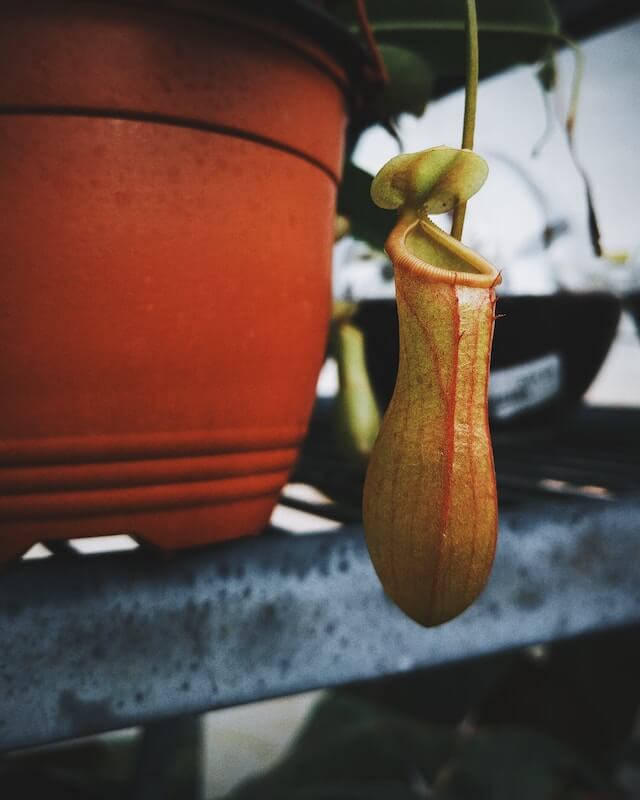
Problem: Pitcher plants require lots of light for photosynthesis. Low light conditions can lead to slow growth or even plant death.
Solution:
- Sarracenia pitcher plants love full sun, so place them in a location where they can receive full, direct sunlight for at least 4–6 hours daily.
- If you have a Nepenthes pitcher plant, aim for 4–6 hours of indirect sunlight daily.
Alternatively, you can use artificial lights designed for plant growth.
3. Poor Water Quality
Problem: Pitcher plants, like all carnivorous plants, are sensitive to the mineral content in water. Tap water often contains high levels of minerals, which can harm the plant.
Solution: If your pitcher plant is brown and crispy or looks unhealthy, and you’ve been giving it tap water, change its water immediately. Always use distilled water, rainwater, or reverse osmosis water for your pitcher plant.
4. Incorrect Soil Composition
Problem: Pitcher plants need nutrient-poor soil to thrive. The use of regular potting soil or fertilizer can harm the plant. Consider where you got your pitcher plant from — big-box stores will likely not sell pitchers in the appropriate soil for their needs. Specialized plant stores may, but you’ll want to ask so you know if you need to repot.
Solution: Use a mixture of sphagnum moss or peat and perlite for your pitcher plant. Never use fertilizer. If your plant was already potted with regular potting soil, get sphagnum moss or a carnivorous soil blend and repot.
5. Pests
Problem: Pests like aphids and mealybugs can infest your pitcher plant, causing damage. If the plant becomes unhealthy, it may look brown and crispy.
Solution: Inspect your plant regularly for any signs of pests. If found, use an insecticidal soap or a diluted mixture of water and dish soap to treat the infestation. Cut off any brown and crispy parts to help your plant heal.
6. Excessive Heat
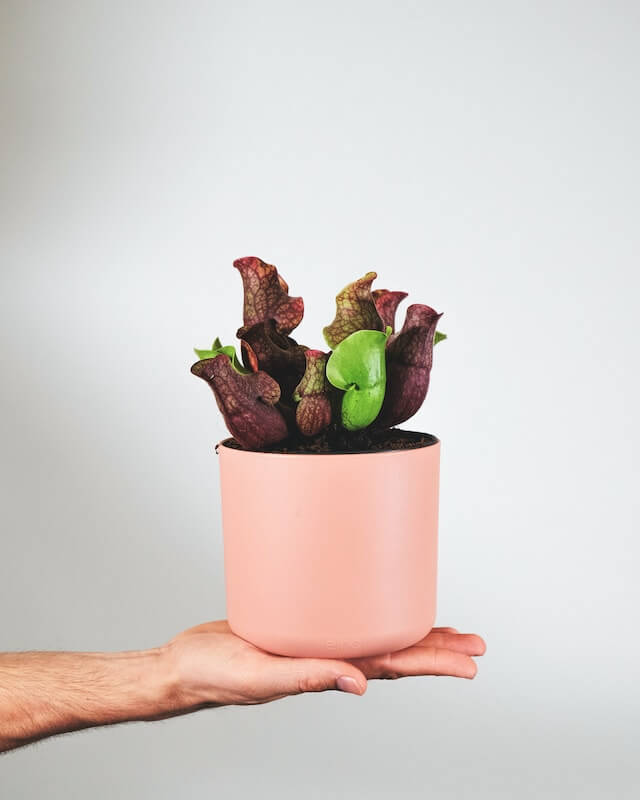
Problem: Excessive heat can wilt your pitcher plant and accelerate its water loss, potentially causing damage or death.
Solution: Keep your plant in an environment where the temperature does not drastically fluctuate. If heat becomes an issue, consider moving your plant to a cooler location or providing shade during the hottest parts of the day.
- Sarracenia can handle up to 100 degrees Fahrenheit if acclimated, but they may need a shade cloth so they don’t turn brown and crispy. They love direct sunlight, but if temps are consistently 100 and up, your plant may not do as well.
- Tropical pitchers like Nepenthes can handle up to about 85 degrees Fahrenheit. Providing shade is crucial if your plant is turning brown.
7. Winter Dormancy
Problem: In winter, some pitcher plants (like Sarracenia) enter a dormancy period and can appear less healthy. This is normal — your plant should bounce back in early spring.
But if not properly cared for during dormancy, the plant can start looking unhealthy and eventually die.
Solution: Reduce watering during winter but don’t let the soil dry out completely. Keep the plant in a cool place, but avoid freezing temperatures.
8. Leggy Growth
Problem: If your pitcher plant is growing tall and thin, this could be a sign of insufficient light, making the plant stretch toward the light source.
Solution: Ensure your plant gets enough sunlight or artificial light each day. Adjust the position or the light source as required.
9. Root Rot
Problem: Overwatering can lead to root rot, a condition that can significantly harm or even kill your pitcher plant.
Solution: Keep the soil moist but not waterlogged. If you suspect root rot, remove the plant from its pot, cut away any black, rotted roots, and repot in fresh, suitable soil.
Important note: Sarracenia can tolerate standing water, but Nepenthes cannot. Top watering your Nepenthes is crucial to keep it healthy.
10. Fungus Gnats
Problem: Fungus gnats are small, fly-like pests that can infest pitcher plants. They are attracted to damp soil and can damage the plant by eating its roots.
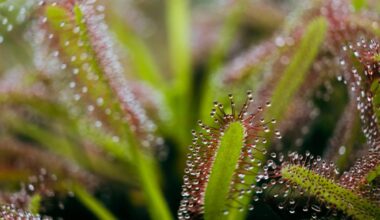
Solution: Allow the top layer of soil to dry out between watering, as this can help deter fungus gnats. If the infestation persists, consider using a non-toxic insecticide or getting a sundew (or three), which can help get rid of gnats easily.
11. Overfeeding
Problem: I get it — feeding carnivorous plants is fun. But pitcher plants thrive in nutrient-poor soil, and providing them with excess nutrients can lead to poor growth or, in extreme cases, death.
Solution: Is your pitcher plant brown and dying? It could be from too much food. If you’ve been feeding your plant more than every two to three weeks, you’re overfeeding it. Reduce feedings and see if its health improves.
12. Insufficient Watering
Problem: You let your pitcher plant dry out, and now it has brown leaves, or the pitcher itself has fully turned brown.
Solution:
- Sarracenia plants love a watery bog environment. Keep these plants in an inch of water during the growing season (March–October). This will ensure your plant doesn’t dry out. Add more water when the water is almost fully evaporated.
- Nepenthes should not be kept in standing water. Ensure you keep this plant moist by top watering but do not let it dry out. With consistent watering at optimal levels, your plant should bounce back.
Keep Your Pitcher Plant Thriving
A pitcher plant dying in your care is a stressful thing, but there is hope for revival. Assess all of the possible causes above and see what you can change to help improve its health.
Give your plant proper drainage, adequate sunlight, and water (ensure it’s distilled or reverse osmosis), and only feed it every two to three weeks.
Most importantly, know that a pitcher plant turning brown is normal to some degree. As leaves and pitchers die, new ones grow, which is all part of its life cycle.
Frequently Asked Questions
Should I cut off dying pitchers?
Yes, you should cut off dying pitchers of a pitcher plant. This promotes the plant’s health by allowing it to redirect energy that would have otherwise been spent on the dying pitcher to foster the growth of new pitchers.
What helps a pitcher plant survive?
Pitcher plants require a few specific conditions to survive. They thrive in a humid environment with lots of sunlight and poor, acidic soil. Regular watering with rainwater or distilled water is also necessary, as tap water usually contains minerals harmful to the plant.
What kills pitcher plants?
Overwatering, exposure to cold temperatures, and insufficient light are common causes of pitcher plant death. Fertilizers and tap water can also be harmful due to their mineral content, which is toxic to this type of plant.
Do pitcher plants come back?
Yes, pitcher plants can come back if conditions are right. They tend to go dormant during winter, and with proper care, they will bounce back in the spring. However, if a plant is severely damaged or conditions are continuously inadequate, recovery may not be possible.
Is my pitcher plant dead or dormant?
Determining whether your pitcher plant is dead or dormant can be challenging. First, consider if you have Nepenthes or Sarracenia. Only Sarracenia goes dormant, so if you have a Nepenthes, it could be dead. Either way, look for signs of life, such as green leaves or new growth. If the plant appears shriveled or there are no signs of activity, it might be dead. However, if you have a Sarracenia with healthy leaves that isn’t producing pitchers, it could be dormant. During dormancy, pitcher plants reduce their growth to conserve energy. To confirm if it’s dormant, provide appropriate care, like keeping it in a cool location and reducing watering. If the plant fails to show any signs of life come early spring, it is likely dead.




2 comments
Comments are closed.