
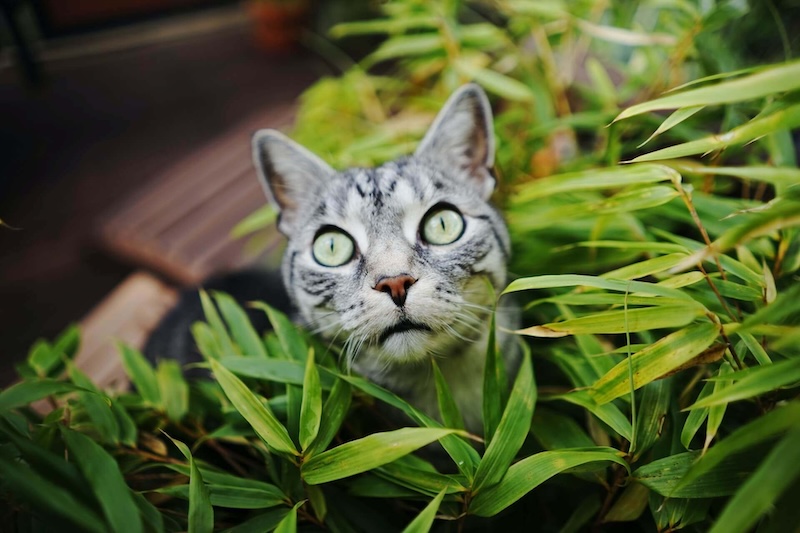
Houseplants and pets don’t always mix — especially when you have curious cats around that can jump to the highest ledges in your home. But are Venus flytraps poisonous to cats or dogs?
Keep reading to learn if these plants pose a risk to your four-legged family members, and get some creative ideas on keeping your plants out of your pets’ reach. I’ve included pictures of my adorable cats posing with Venus flytraps as a bonus (you’re welcome).
Are Venus Fly Traps Poisonous to Cats or Dogs?
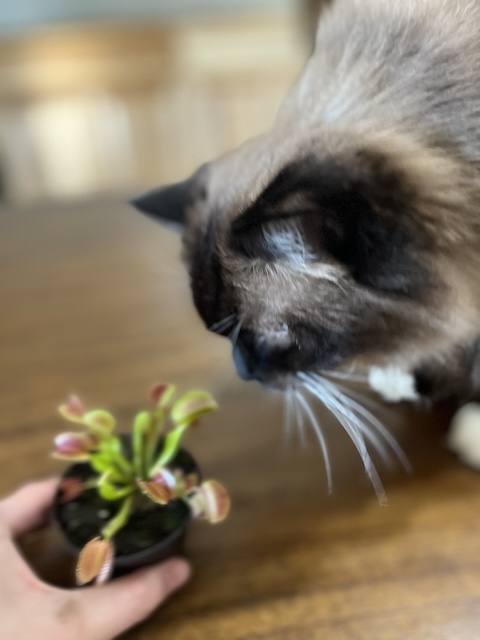
No, thankfully, Venus flytraps are not poisonous to cats, dogs, or horses, according to the American Society for the Prevention of Cruelty to Animals (ASPCA).
However, even though they are not poisonous plants, it doesn’t mean you should place Venus flytraps within snacking distance of pets. As a general rule, don’t tempt your pets with a good time — keep your plant somewhere they can’t access.
That being said, when a dog or cat eats anything out of the norm, it can lead to potential digestive upset. Plus, these plants trap insects, so if your pet eats a trap, they could also be eating whatever is inside of it.
If you’re concerned or your pet exhibits any symptoms, take them to your vet to be safe.
What Happens if a Cat Eats a Venus Flytrap?

As a cat owner, I know firsthand how obsessed felines are with eating houseplants. While Venus flytraps aren’t as enticing as, say, a parlor palm’s spindly leaves, there’s still a chance your cat might go in for a bite.
While flytraps are generally non-toxic to cats, it’s still a good idea to be aware of potential outcomes and take necessary precautions.
Minimal Health Risk
First of all, don’t panic. Flytraps are not considered toxic to cats. Their leaves don’t contain harmful compounds that would cause significant harm to your cat, and don’t contain toxic chemicals.
In most cases, a nibble on a flytrap should pose zero to minimal risk to your pet.
Mild Irritation Potential
While Venus flytraps are not toxic, they do produce digestive enzymes to break down insects, and some traps will contain the insect itself.
There’s always the potential for mild gastrointestinal upset if your cat chews on any plant, whether known to be toxic or not. Keep a close eye on your pet and call your veterinarian if any symptoms arise or you’re worried.
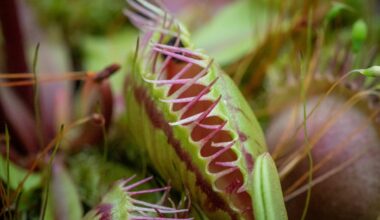
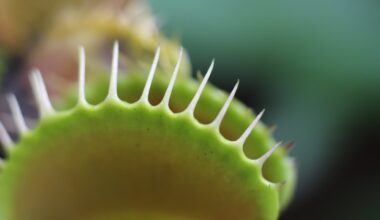
Also, these plants have hairs, not spikes, so they wouldn’t cut your cat if they were to eat a trap.
Monitor for Unusual Behavior
While the risk is minimal, it’s a good idea to watch your cat for any signs of discomfort, including the following:
- Excessive drooling
- Pawing at the mouth
- Digestive symptoms
- Difficulty swallowing
- Vomiting
- Diarrhea
If you suspect your cat or dog ate a Venus flytrap or any other plant in your home and they’re exhibiting symptoms, or if you’re concerned, call your veterinarian for advice and treatment.
What Happens if Your Pet Triggers a Flytrap?
The biggest threat here is probably to your plant — not your pet.
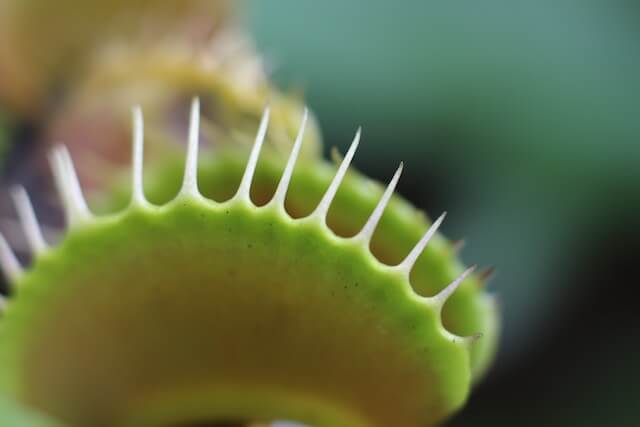
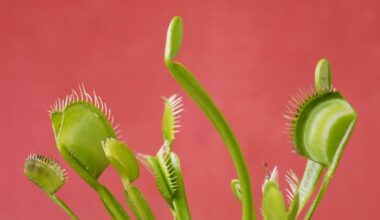
If your cat gets curious and pokes its nose or whiskers into a trap, it might trigger it to close. This is due to the Venus flytrap’s trigger hairs, which, when tickled by insect visitors or a cat’s whiskers, will snap close.
While a cat’s whiskers could potentially make a trap close (although it seems unlikely since they’d have to be positioned just so), it won’t hurt your pet or their whiskers. As soon as the cat moves its head or walks away, their whiskers will come out, fully intact.
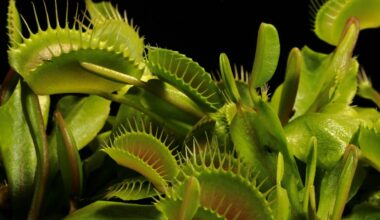
Venus flytrap heads are small, about an inch wide (or less), and don’t pose a risk to your pet, whether closed or open.
However, triggering Venus flytraps unnecessarily poses a threat to your plant. If the trap closes without catching anything, it uses up the plant’s energy and weakens it.
Keep your pet — and plant — healthy and happy by keeping your flytrap in safe, unreachable location.
How to Deter Pets From Eating Venus Flytraps
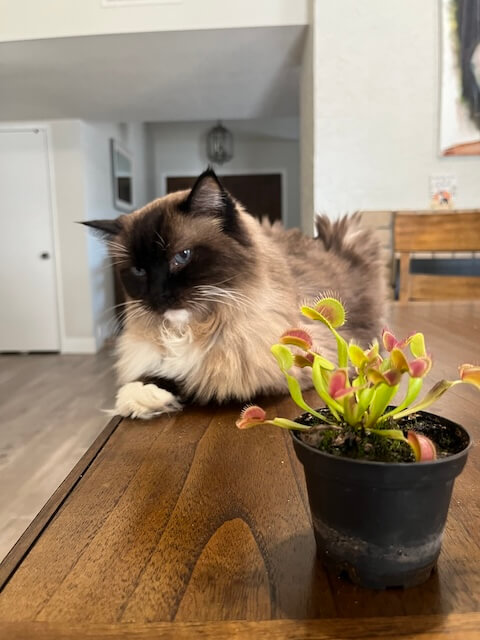
While it’s relatively easy to keep plants away from dogs, there are some easy ways to help Venus flytraps and cats coexist.
Place Your Flytrap Out of Reach
One simple yet effective way to protect your flytrap (and pets) is to place it out of reach. Elevated surfaces, like shelves or hanging planters, can be great choices.
Cats are natural climbers, but by positioning your flytrap higher up, you’ll discourage their curiosity.
For example, my cats can’t reach the kitchen windowsill, so that’s where I keep my flytrap during the summer (since it’s too hot where I live to keep it outdoors).
However, from fall through winter (including during Venus flytrap dormancy), I keep my plant outside where my kitties can’t go.
Plant Cat Grass
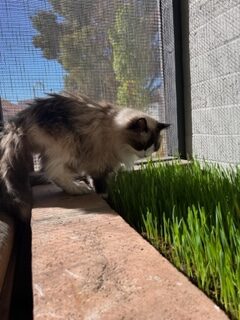
Cats love house plants, so why not give them their own? Cat grass is a great snacking alternative that is safe for your cat’s diet in moderation, according to VCA Animal Hospitals.
The best part? It’s extremely easy to grow. Simply sprinkle some seeds, add water, and voila! You’ve got grass in just a few days.
You can grow cat grass indoors on a windowsill or outdoors if you have a covered patio like I do. Watch for mold (due to overwatering and/or not enough sunlight), and ensure the grass makes up no more than 10% of your cat’s total caloric intake.
Provide Entertainment
Cats often become intrigued by plants due to boredom. Ensure your cat has plenty of stimulating toys and activities to prevent them from turning their attention to your Venus flytrap. A well-entertained cat is less likely to be curious about your plants.
From catios (covered patios where they can safely go “outside”) to interactive toys, keeping your cat occupied can prevent them from getting into your beloved houseplants.
Here are a few of my cats’ favorite toys that keep them away from plants (not affiliate links — just toys that keep my cats happy):
Pet-Friendly Ways to Display Venus Flytraps
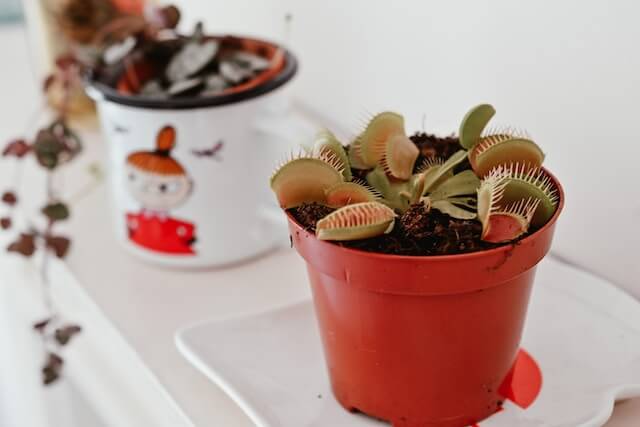
Here are some ways to display your Venus flytrap so you can still enjoy it while keeping it safe from curious pets:
- Hanging planters: Suspend your Venus flytrap from the ceiling in small, decorative hanging planters.
- Wall-mounted planters: Create a living wall art piece with wall-mounted planters.
- Glass terrariums: Provide protection and a captivating view with glass terrariums.
- Windowsills: Place your Venus flytrap on high windows to enjoy natural sunlight.
- Tall shelves or bookcases: Position your plant on high shelves or bookcases out of your pet’s reach.
- Dedicated plant room: Consider a dedicated plant room for your collection of exotic plants that’s off-limits to pets.
- Bathroom window ledge: Use high bathroom window ledges, which often have ideal humidity levels, to display your plant.
It can be tough to find a spot in your home that is not only out of your cat and dog’s reach but also sunny enough to meet the Venus flytrap’s care requirements.
If this is the case for you, consider getting a grow light so your plant will continue to thrive no matter where you place it in your home.
Venus Flytraps = Pet-Friendly Houseplants
Now that I’ve answered the question, “Are Venus flytraps poisonous to cats?” you know these carnivorous plants are technically pet-friendly.
But that doesn’t mean they should be easily accessible. Keep your plants at a safe distance to ensure everyone stays healthy (plants and pets).
And as always, consult with a veterinarian for diagnosis and treatment to be safe.

2 comments
Comments are closed.