

Did you know Venus flytraps (Dionaea muscipula) go through dormancy? Yes, much like black bears and desert tortoises, Venus Flytraps “hibernate” for the winter. However, Venus fly trap hibernation is a much different process than mammals and reptiles — and isn’t exactly mandatory (just highly recommended).
Keep reading to learn everything you need to know about the Venus Fly Trap dormancy period, from how long it lasts to watering requirements.
As a fellow carnivorous plant parent who has been through dormancy before, I’m sharing what I’ve learned to ensure your Venus flytrap(s) continues to thrive year-round.
Table of Contents
What Is Venus Flytrap Dormancy?
Dormancy is a natural process all Venus flytrap cultivars and some other carnivorous plants (like pitcher plants and some sundews) go through during winter. During this time, the plant’s growth slows down, and it conserves energy to survive the cold weather.
While you may see some new growth closer to the soil/peat moss, most — if not all — of your tall traps will turn black during dormancy. This doesn’t mean your plant is dead — it’s basically just taking a long winter’s nap.
While I get into more specifics below, dormancy will look different for every plant parent, depending on where you live.
Those in colder regions with freezing temperatures may need to keep plants indoors and help them go through winter dormancy. In comparison, those in warmer regions (like me!) can let Venus flytraps go dormant outside without having to do anything differently.
Flytraps don’t technically require dormancy, but it is a natural and healthy process that can keep them alive for longer.
What Happens if I Don’t Let My Venus Flytrap Go Dormant?
If you don’t let your Venus Flytrap go dormant, it may not survive. During dormancy, your plant conserves energy and prepares for the next growing season. If it doesn’t go through this process, it may become weak and vulnerable to disease and pests.
Additionally, your plant may stop producing new traps and eventually die. At most, it may survive a couple of years if you don’t let it go through winter dormancy. So, if you’re cool with this, skipping dormancy is an option, albeit a cruel, lifespan-shortening one (you monster!).
The Venus Flytrap’s Natural Habitat and Dormancy
Venus flytraps are native to the southeastern United States, on the North and South Carolina coastline, where they grow in nutrient-poor soils in wetland areas. During winter, when sunlight and insects are scarce, Venus flytraps go dormant to conserve energy.
The plant’s leaves die back, but the roots continue to grow underground. While some people consider them semi-tropical plants, flytraps prefer a chillier climate in winter to ensure they go dormant.
When Do Venus Fly Traps Go Dormant?
Venus fly trap dormancy typically occurs during the winter months, from late November to early March. However, the exact timing may vary depending on your location and climate.
Keep in mind that your plant should be dormant for a minimum of 10 weeks to reap the benefits, but they can stay dormant for up to five months.
While both cold temperatures and reduced daylight hours trigger dormancy, the biggest factor is reduced daylight.
Signs of Dormancy in Venus Flytraps
Parting is such sweet sorrow that I shall say goodnight till it be morrow early spring.
It’s always a little sad to see your flytrap turning black, but just know this process is essential to their long-term health.
Is your Venus flytrap dormant? Here’s how to tell:
- Existing traps may turn black and fall off (clip them off when they turn black)
- The plant may start to look droopy, wilted, and lose its bright green color
- The growth rate of the plant may slow down significantly
- You may notice new growth closer to the potting soil than normal
Venus Flytrap Dormancy Methods
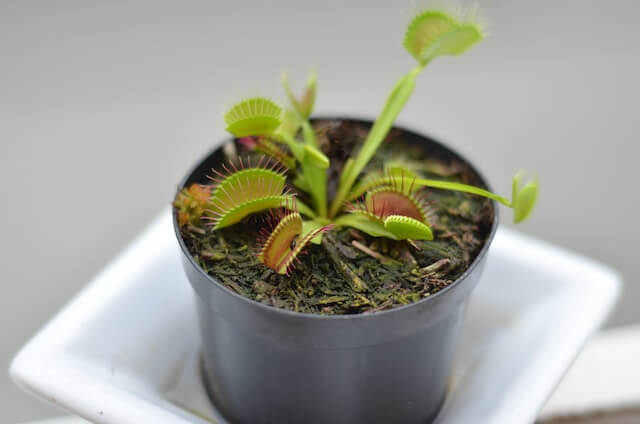
Venus Flytraps naturally go dormant during the winter, and replicating this process at home is essential for their long-term health. However, remember that the best dormancy method for your carnivorous plants will depend heavily on where you live.
The ideal temperature range for Venus flytrap dormancy is 35 to 50 degrees Fahrenheit.
Cooler than this (32 to 20 degrees Fahrenheit) for five to six consecutive days can cause the soil to freeze and kill your plant. Warmer than this (60-plus degrees) isn’t ideal but should be OK — however, Venus flytraps do better with colder but not freezing temperatures during dormancy.
I live in Phoenix, Arizona, so I put my plant outdoors starting in early November (when temps have finally cooled off during the day), so it can go dormant on its own.
I’ll be able to leave my flytrap outside all winter long (unless temperatures drop to freezing for days at a time. In that case, I’ll put it in the garage until the weather warms back up).
If you live somewhere where temperatures will be consistently under 32 degrees, you may need to help your plant go dormant indoors.
Here are some options for dormancy:
Outdoor Dormancy

If you live in a region with mild winters like me, you can leave your potted plants outdoors during dormancy. Since I’m in zone nine, I put my flytrap outside to go through dormancy unassisted in early November.
Flytrap outdoor dormancy guide:
- Zones: The outdoor flytrap dormancy method works best for those in Zones 8–11.
- Sun: Place your plant somewhere where it can still get sun (this isn’t mandatory but can help your plant look its best during dormancy) and let it do its thing.
- Water: Your plant will still need water during dormancy, but much less than normal. Check the soil to ensure it stays moist but not damp. Do not bottom water your plant during this time — water from the top only to prevent root rot.
- Weather: If the temperature drops to freezing for more than a few days (5-6 days maximum), the soil can freeze and dehydrate your plant. Bring your plant indoors until the cold snap is over. Place it in an unheated room indoors, like a garage or basement, or an outdoor shed.
Come early spring, (about March), when the weather starts warming up, you should notice your flytrap getting new traps and coming back to life.
Outdoor Bog Garden
Another option for flytrap parents in zones four to seven is to create a bog garden outdoors by burying your potted plants.
Once you’ve buried the plant up to the pot, cover your new bog garden with a generous layer of mulch, like pine straw or shredded hardwood. This will help insulate the plant and keep the soil from freezing.
If temperatures get around freezing, cover your plants with a burlap cloth and add mulch on top for added warmth.
In spring, as temperatures start to rise, gradually remove the mulch to allow the Venus flytrap to exit its dormancy phase.
Indoor Dormancy

Do Venus fly traps go dormant indoors? They can, but you’ll need to find the right location in your home.
If you live in a region with harsh winters that would make your flytrap’s soil freeze for more than five or six days straight, indoors is the best option for you.
- Zones: Indoor flytrap dormancy works well for those in Zones 7 or lower
- Location: Choose an indoor, unheated room like a garage or basement, or the coldest room in your house if these options aren’t feasible. Another option could be an outdoor shed.
- Sun: While sunlight isn’t mandatory for flytraps during dormancy, they still benefit from it. A sunny windowsill works well.
- Water: How much water your flytrap will need during dormancy depends on how cold it gets. Check its soil and ensure it stays slightly moist. If you have harsh winters, you may only need to water your plant every two weeks. Avoid standing water — top water during dormancy to help avoid root rot.
- Weather: Check the temperature periodically — if the room gets below freezing for more than a few days consecutively, you’ll need to move your flytrap to a room where it’s ideally 35-50 degrees. Otherwise, the soil can freeze and kill your plant.
Refrigerator Dormancy
This one is a last resort and works best for more advanced flytrap parents — aka, this method has the potential for mold — and death — so tread carefully.
However, if your winters are extremely harsh, with prolonged temperatures below freezing, refrigerator dormancy might be the right method for you.
Here’s how to use the refrigerator method for Venus fly trap dormancy:
- Trim any dead or blackened material off your Venus fly trap
- Consider misting the plant with a sulfur-based fungicide to prevent mold
- Seal the entire pot inside a plastic bag or cover it with plastic wrap
- Poke air holes in the plastic wrap or bag with a toothpick
- Place it in the fridge for approximately three months
- Check your plant periodically for mold growth, and remove it or treat it with fungicide. If any dead or black material appears, trim as needed
- Bring your plant out of fridge dormancy in February or March, but slowly acclimate to full sun
How to Care for Venus Flytraps During Dormancy

During dormancy, it’s essential to provide your Venus flytrap with the right care to ensure its survival. Here are some tips to help you care for your plant during dormancy:
Reduce Watering
A dormant Venus fly trap needs much less water than normal since they’re conserving energy, and their growth has slowed down. Overwatering can cause root rot and damage the plant.
How much you should water your plant during dormancy depends on where you live. Aim to keep the soil lightly moist at all times.
Here are general guidelines:
- Don’t let your flytrap dry out
- Keep the soil moist (but not damp)
- Avoid bottom watering
- Use distilled water
- Top water your plant
If you’re somewhere with warmer winters, you might only need to top water your plant every few days to keep the soil moist.
If you have colder winters, every two weeks might be adequate to keep the soil moist.
Put Them Somewhere Sunny
Sunlight isn’t required during dormancy to keep your flytrap alive — although they do still benefit from four or more hours of sunlight per day.
If you can keep your plant in a sunny spot outside or on a windowsill, definitely do it. Normally, flytraps need at least four hours of direct sunlight per day to look and feel their best. While this isn’t the case during dormancy, it’s still helpful if you can give them some light.
Do Not Feed Your Plant
Avoid feeding your Venus flytrap during dormancy. The plant’s metabolism has slowed down, and food is not required during this time. If they catch something on their own, that’s fine. Just avoid triggering the hairs and/or feeding bugs to your flytrap until the spring.
How to Revive Dormant Plants

Once the winter months have passed and the weather has warmed up, it’s time to revive your carnivorous plants.
Here are some tips to help you wake up your flytrap:
Gradually Increase Watering
Gradually increase water as the weather warms up. Venus flytraps require more water during the growing season, so ensure the soil stays moist.
You can keep your plant in standing water again once spring arrives.
Provide Ample Lighting
Ensure your plant receives ample lighting during the growing season. Place your plant in a location where it can receive full sun or bright artificial lighting. If your plant hasn’t been in direct sunlight since pre-winter, reintroduce it to light slowly.
Since my flytrap stays outside for dormancy, it will naturally adapt to brighter light and warmer temps as the weather and seasons change. If yours was kept somewhere without sun, gradually reintroduce it with indirect sunlight.
Feed Your Plant
Once your Venus flytrap has started growing again, it’s time to start feeding it. Offer your plant bugs to help it grow and thrive, or let it catch its own outdoors.
Potential Venus Flytrap Dormancy Issues

Venus flytraps are fascinating plants that require specific care to thrive, including during winter dormancy. However, several potential issues can arise.
Overwatering
One of the most common issues with Venus flytrap dormancy is overwatering. While keeping the soil moist is important, too much water can cause root rot and other problems.
It’s best to water your plant sparingly during dormancy — only enough to moisten the soil.
Check the soil moisture level by touching it with your finger — it feels dry, it’s time to water. Using a pot with drainage holes and avoiding letting the plant sit in standing water during dormancy is also a good idea, as this can promote fungal growth and other problems.
Pests
Another issue that can arise during Venus flytrap dormancy is pests. Insects like gnats, spider mites, and aphids can infest your plant while it’s in its weakened state, causing damage and potentially killing it.
Regular inspections and treatments with insecticidal soap or neem oil can help prevent these pests from taking hold.
Mold
Mold is another potential problem during Venus flytrap dormancy. High humidity levels can cause mold to grow on the leaves or in the soil, which can lead to disease and decay. To prevent mold growth, make sure your plant is getting enough air circulation and avoid misting or spraying water directly on the leaves.
Don’t Hate, Let Your Flytrap Hibernate
Carnivorous plants are a lot of fun, but they have different needs than your standard houseplant. Let them go through a proper Venus fly trap dormancy period, and they’ll be healthier and happier for longer.
Growing Venus flytraps is a rewarding hobby, and when properly cared for, these impressive plants can live for up to 20 years. But if you want to give them their best chance at living a long life, let them hibernate each year.


2 comments
Comments are closed.